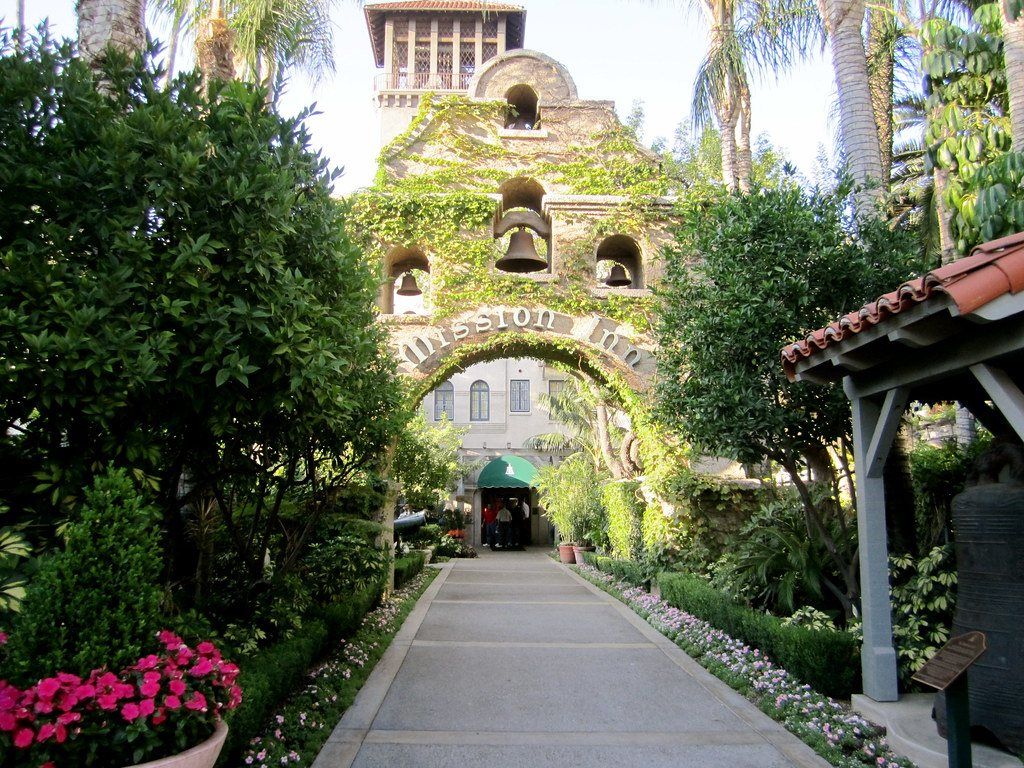
Welcome, San Antonio Heights neighbors. This is a small community at the edge of the foothills. Let's walk through what the numbers say and what a tile roof might mean for you.
A quick look at the homes
The Census Bureau counts about 1,200 homes in San Antonio Heights, which is an unincorporated community rather than a city. The median year built is 1971. About 36 percent of homes were built before 1960 and about 64 percent before 1980. Owners live in roughly 84 percent of them. The median home value is $1,071,800 (ACS 2020-2024), the highest of any place on our Inland Empire list.
Those numbers describe the community, not your house. Still, a home from these decades may have been re-roofed at least once. Tile may be one of the materials you find up there, since clay and concrete tile are common in Southern California, but only your own records or a roofer's visit can tell you for sure.
Rain at the foothills
The nearest NOAA station, in Upland about 1.6 kilometers away, averages around 21 inches of rain a year (1991 to 2020 normals). Summers are still dry, but the wet months give water more chances to find a weak spot. A friendly habit: after the first good storm of the season, look at your ceilings and check for stains, then glance at the roof from the ground for slipped tiles.
Small fixes are usually the gentle ones. Fixr lists a single leak repair at $150 to $500 and a cracked tile at $25 to $50 (January 2025). Those are national estimates, and a roofer's minimum fee may apply, but they show why early attention pays off.
Fire zones, in a calm voice
CAL FIRE maps cover much of San Antonio Heights. A map-overlay estimate from CAL FIRE data puts about 59 percent of the community is in a very high fire hazard severity zone, and about 78 percent is in some mapped zone. These are map zones, not predictions about any single home.
Why mention it on a roof page? Because the zone may affect what the roof assembly needs to meet. Details like the underlayment, ridge closures and the gaps at the eaves can matter as much as the tile itself. Ask the county which fire rating applies at your address, and ask any roofer to name the exact products in the bid.
Heat and the energy code
San Antonio Heights is in California climate zone 10. The California Energy Commission's 2022 cool roof sheet says requirements for alterations, which include re-roofs, apply in additional climate zones beyond those listed for new homes. Ask the building department which cool roof values apply to your re-roof.
Look for the label before you pick.
What the county says about permits
San Bernardino County's Land Use Services Permits page opens with a friendly reminder to have all the necessary permits before you start work. Its list of items requiring a permit includes "Re-roofing." It also says permits can be obtained at a local Building and Safety office or through the county's online permitting site, and that other work not on the list may require a permit too. For questions, it points you to the Building and Safety Division's contact form.
The page lists no re-roof fee. Ask the county for the current fee schedule.
Costs, in plain numbers
These are national estimates, not San Antonio Heights quotes.
- A whole tile roof on a typical home: about $8,200 to $24,600 (This Old House, April 2026).
- Clay tile: $8 to $22 per square foot. Concrete tile: $7 to $19 per square foot (same guide).
- Tile repairs overall: $900 to $2,300, with an average of $1,800 (Fixr, January 2025).
Our cost guide explains the lift and relay option, where the tile is lifted, the underlayment replaced and the tile set back.
An easy plan
First, photograph your roof from the ground and any attic stains. Second, ask two or three licensed roofers for written bids and verify each license at cslb.ca.gov. Third, ask the county office about the permit and the fire rating for your address. Last, ask each roofer to say how they will handle the underlayment and flashing, since those wear out before tile does.
Where the numbers come from
- U.S. Census Bureau, ACS 2020-2024 5-year, place table (housing age, owner share, home value)
- CAL FIRE Fire Hazard Severity Zones (LRA map 2025-03-24, SRA map adopted 2024-01-31), share of the Census place by map overlay (estimate)
- NOAA 1991-2020 climate normals, station US1CASR0053 (Upland 1.8 NNE), about 1.6 km away
- San Bernardino County Land Use Services, Permits (Building and Safety)
- This Old House, Tile Roof Cost (updated April 10, 2026)
- Fixr, Tile Roof Repair Cost (updated January 31, 2025)